
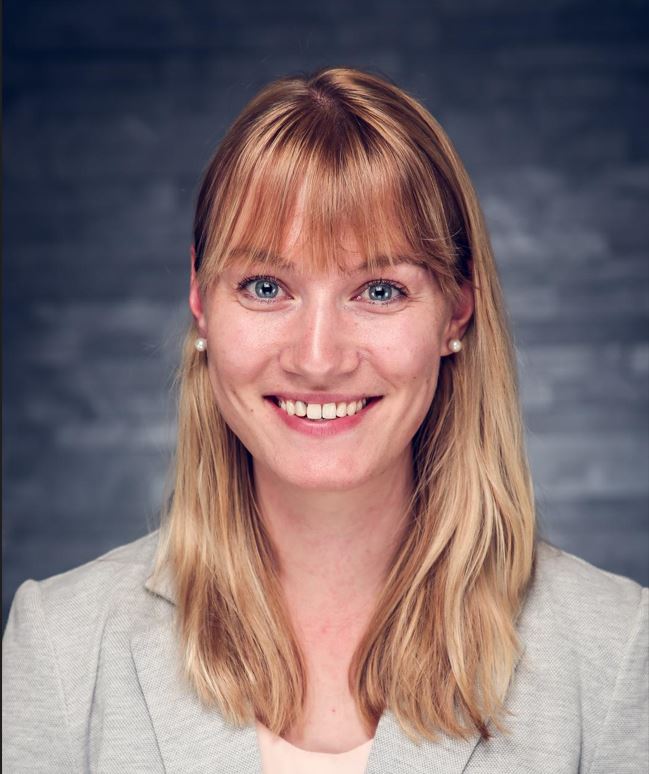
My career started at the Center for Plant Molecular Biology (ZMBP) in Tübingen where I got trained as a plant molecular biologist. I got highly fascinated about how plants sense and integrate various environmental signals to optimize their growth and survival, which finally led me to the lab of Andreas Wachter (Tübingen and Mainz, Germany). In his group I performed my PhD and a short Postdoc, focusing on the regulation of light-mediated alternative pre-mRNA splicing during seedling photomorphogenesis.
Since September 2023, I have been part of the “Roots in Salt” team as a postdoctoral researcher, where I initially worked on the Vici project, exploring how transcription factors shape plant responses to salt stress. Recently, I was awarded a Walter Benjamin Fellowship, opening a new line of research focused on alternative splicing during salinity stress.
Alternative splicing is a powerful mechanism that allows a single gene to produce multiple mRNA isoforms, providing plants with the flexibility needed to adapt to challenging environments. In my current work, I aim to uncover the key regulators that control salt-responsive alternative splicing, understand how these regulators are regulated, and identify their downstream targets. To do this, I combine transcriptomic and proteomic approaches, integrating these layers of information to build a comprehensive view of the regulatory networks involved. Ultimately, my goal is to translate this knowledge into strategies that enhance plant tolerance to salinity.

